Applicants should normally have a minimum of 48 UCAS Tariff points, preferably gained through computing, digital, IT, engineering, mathematics, science or other relevant technical qualifications. Applications from individuals with relevant experience, technical aptitude or prior learning are also welcomed. Applicants may be invited to interview or complete an aptitude activity as part of the admissions process.
Course Fee:
£9525.00
Start date:
Sep 2026
Course Overview
The FdSc Software Engineering provides students with a strong foundation in software development and applied computing. The programme develops practical skills in programming, database design, systems development, networking, cloud technologies, mobile application development and embedded systems, alongside professional practice and project management skills. Students learn to analyse computing problems, design and develop software solutions and apply industry-relevant technologies in realistic and work-related contexts
Course Overview
You will develop your ability to: analyse computing problems, user requirements and technical constraints design, develop, document and maintain software applications using appropriate programming languages and development tools create and manage data-driven systems using database design and SQL technologies understand networking, security, cloud, mobile and embedded-system technologies test, debug and evaluate software systems against technical and user requirements undertake technical research and manage software-related projects apply professional, ethical, accessibility, sustainability and security principles within software development communicate technical information effectively to technical and non-technical audiences
The approved modules are:
Level 4 modules Computing Investigative Project Networking and Security Programming and Software Development The Computing Professional Introduction to C# Programming SQL Database Design and Development
Level 5 modules Work-Based Learning Project Cloud Computing and Programming Games Design and Development Embedded Microprocessor Systems C# Object-Oriented Software Development Mobile Application Development
Additional Information
Students who successfully complete the approved programme requirements will achieve a Foundation Degree in Software Engineering validated by Liverpool John Moores University. The programme provides a progression route to Level 6 study in Software Engineering, Computing or related disciplines, subject to the receiving institution’s entry requirements and the continued availability of progression opportunities.
Some modules include practical, technical or competency-based requirements. Where these apply, the required competence must be demonstrated before the associated credit can be awarded.
Any confirmed additional costs, including course-specific software, specialist resources or materials where applicable, will be explained before enrolment.
Learn more about this course in the LJMU course catalogue: link to be confirmed in September 2026.
This programme is validated by Liverpool John Moores University.
Upon completion of the programme, one certificate will be issued by LJMU.
Upon completion of the programme, a graduation ceremony will be arranged by East Lancashire UC.
The course fees are payable to East Lancashire Learning Group.
How is the course delivered?
The FdSc Software Engineering is delivered full-time over two years through face-to-face teaching. Delivery includes lectures, seminars, practical computing workshops, tutorials, project supervision, work-related learning activities and guided independent study. Students also utilise Moodle and Microsoft Teams to access learning resources, assessment guidance and academic support
How my learning will be assessed?
Assessment is designed to reflect the requirements of contemporary software engineering practice and may include:
Formative assessment opportunities are embedded throughout the programme to support skill development before summative assessment takes place.
Course Facilities
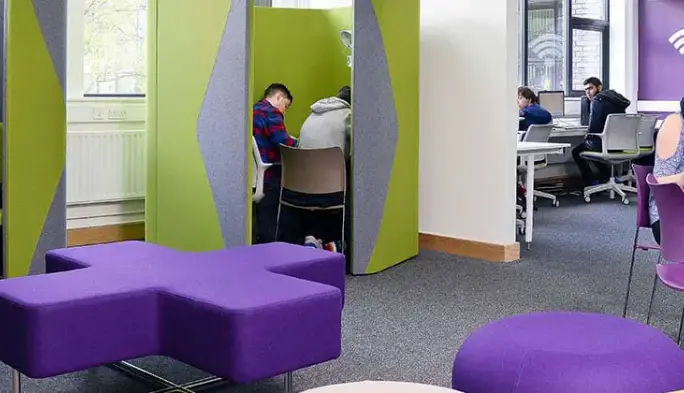
Students may have access to specialist computing laboratories, software development environments, cloud-based technologies, database systems, embedded-system hardware, mobile development platforms and networking resources. Students also have access to Moodle, Microsoft Teams, library resources, higher education study spaces and academic, careers, wellbeing and student-support services. The facilities assigned to the programme will be confirmed before enrolment
Potential Careers
The programme can support entry to, or progression within, software engineering and related digital technology roles. Depending on experience and employer requirements, relevant roles may include:
software developer junior software engineer application developer database developer cloud support technician systems developer web application developer IT support and technical specialist roles
Completion does not guarantee entry to a particular role. Employers and universities may require additional qualifications, experience or professional certification. This programme also supports progression to Level 6 study.